
A Liquid Packing Machine is an essential industrial system used for filling, sealing, and packaging different types of chemical liquids safely and efficiently. A Liquid Packing Machine plays a major role in industries where handling corrosive, flammable, or reactive liquids requires precision and safety.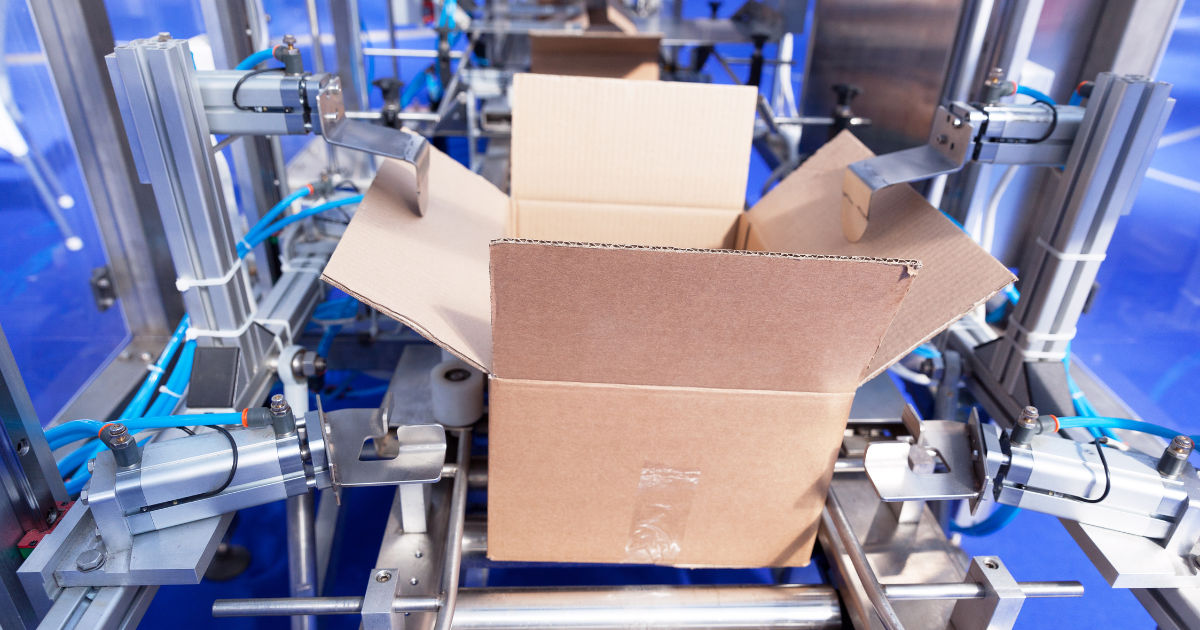
A Liquid Packing Machine is widely used in chemical factories, cleaning product plants, pharmaceutical units, and agricultural industries where liquid chemicals must be packed in controlled quantities.
In this guide, we will explore what a chemical liquid packing machine is, how it works, its components, types, advantages, applications, and why it is important in modern industrial production. The content is written in simple English so that 12th-grade students and beginners can easily understand the concept.
A Chemical Liquid Packing Machine
A chemical liquid packing machine is a specialized system designed to handle chemical liquids and pack them into containers like bottles, pouches, drums, or cans. These machines are engineered to handle liquids that may be corrosive, toxic, or sensitive to air exposure.
A Liquid Packing Machine ensures that each container receives an accurate amount of liquid without spillage or contamination. Since chemical liquids can be dangerous, these machines are built with safety materials such as stainless steel, corrosion-resistant pipes, and automated control systems.
The main purpose of a chemical liquid packing machine is:
- To maintain accuracy in filling
- To ensure operator safety
- To reduce chemical waste
- To increase production speed
Importance of Chemical Liquid Packaging in Industry
Chemical liquids are used in almost every industry today, from cleaning products to agriculture. However, improper handling can cause hazards such as burns, toxic exposure, or environmental damage.
This is where a Liquid Packing Machine becomes important. It ensures safe handling and packaging of chemicals in a controlled environment.
Key reasons for importance:
- Protects workers from direct contact with chemicals
- Maintains product quality and consistency
- Reduces chances of leakage or contamination
- Supports mass production requirements
- Improves industrial efficiency
Without a proper Liquid Packing Machine, industries would face safety risks and production delays.
How a Chemical Liquid Packing Machine Works
The working of a chemical liquid packing machine is based on automated filling and sealing processes. Although different machines have different designs, the basic working principle remains similar.
Step 1: Liquid Storage
The chemical liquid is stored in a tank made of corrosion-resistant material. This tank feeds the liquid into the filling system.
Step 2: Measuring the Liquid
A Liquid Packing Machine uses sensors or volumetric systems to measure the exact amount of liquid required for each container.
Step 3: Filling Process
Containers move along a conveyor belt. The machine fills each container with the measured chemical liquid.
Step 4: Sealing
After filling, containers are sealed automatically to prevent leakage or evaporation.
Step 5: Labeling and Packaging
Some advanced systems also include labeling and final packaging for distribution.
This entire process is automated in modern Liquid Packing Machine systems, reducing human involvement and increasing safety.
Main Components of a Chemical Liquid Packing Machine
A chemical liquid packing machine consists of several important components that work together to ensure smooth operation.
1. Storage Tank
This is where the chemical liquid is stored before packaging. It is usually made of stainless steel to resist corrosion.
2. Filling Nozzles
These are responsible for transferring liquid into containers. A Liquid Packing Machine may have multiple nozzles for faster production.
3. Conveyor System
It moves containers from one station to another during the packaging process.
4. Control Panel
This allows operators to control speed, volume, and other machine settings.
5. Sensors
Sensors ensure accurate filling and detect container position to avoid overflow or errors.
6. Sealing Unit
This unit seals the container after filling to prevent leakage.
Each of these parts is essential for the proper functioning of a Liquid Packing Machine.
Types of Chemical Liquid Packing Machines
Different industries require different types of machines depending on liquid properties and packaging needs.
1. Automatic Liquid Packing Machine
This type works fully automatically with minimal human involvement. It is widely used in large industries.
2. Semi-Automatic Machine
A semi-automatic Liquid Packing Machine requires some manual input, such as placing containers.
3. Volumetric Filling Machine
This machine fills liquid based on volume measurement.
4. Gravity Filling Machine
It uses gravity to fill containers and is suitable for thin liquids.
5. Piston Filling Machine
This type uses a piston mechanism for accurate filling, especially for thick or viscous chemicals.
Each type of Liquid Packing Machine is designed for specific industrial needs.
Applications of Chemical Liquid Packing Machines
Chemical liquid packing machines are used in many industries due to their versatility and safety features.
1. Pharmaceutical Industry
Used for packing syrups, disinfectants, and medicinal liquids.
2. Cleaning Product Industry
Used for detergents, bleach, and cleaning solutions.
3. Agricultural Sector
Used for pesticides, fertilizers, and herbicides.
4. Cosmetic Industry
Used for lotions, shampoos, and perfumes.
5. Industrial Chemicals
Used for lubricants, acids, and solvents.
In all these industries, a Liquid Packing Machine ensures accuracy and safety.
Advantages of Using a Chemical Liquid Packing Machine
The use of a chemical liquid packing machine offers several benefits to manufacturers.
1. High Accuracy
A Liquid Packing Machine ensures precise filling, reducing product loss.
2. Increased Production Speed
Automation allows faster packaging compared to manual methods.
3. Improved Safety
Reduces human contact with hazardous chemicals.
4. Cost Efficiency
Minimizes waste and reduces labor costs.
5. Consistency
Ensures each product has the same quantity and quality.
6. Hygiene Maintenance
Prevents contamination during the filling process.
These advantages make the Liquid Packing Machine essential in modern industries.
Safety Features in Chemical Liquid Packing Machines
Since chemical liquids can be dangerous, safety is a top priority in machine design.
Key safety features include:
- Leak-proof pipelines
- Emergency stop buttons
- Overfill protection sensors
- Anti-corrosion materials
- Automatic shutdown systems
A Liquid Packing Machine is designed to protect both operators and the environment from harmful exposure.
Challenges in Chemical Liquid Packaging
Despite advanced technology, there are still some challenges:
1. Handling Corrosive Liquids
Some chemicals can damage machine parts if not properly maintained.
2. Calibration Issues
Incorrect calibration may lead to overfilling or underfilling.
3. Maintenance Requirements
Regular cleaning and servicing are necessary for smooth operation.
4. Initial Cost
High-quality Liquid Packing Machine systems can be expensive.
However, these challenges are manageable with proper maintenance and training.
Future of Chemical Liquid Packing Machines
The future of chemical liquid packaging is moving towards more automation and smart technology.
Future trends include:
- AI-based filling systems
- IoT-enabled monitoring
- Fully robotic packaging lines
- Eco-friendly packaging solutions
- Energy-efficient machines
A modern Liquid Packing Machine will become faster, safer, and more intelligent in the coming years.
Maintenance Tips for Liquid Packing Machines
Proper maintenance ensures long machine life and smooth operation.
Useful tips:
- Clean the machine regularly after use
- Inspect nozzles and valves for blockage
- Lubricate moving parts
- Check sensors and control systems
- Use manufacturer-recommended cleaning agents
A well-maintained Liquid Packing Machine performs more efficiently and reduces downtime.
Conclusion
A chemical liquid packing machine is a vital piece of industrial equipment designed to safely and efficiently package chemical liquids. From cleaning agents to industrial acids, these machines ensure accurate filling, secure sealing, and safe handling of hazardous materials.
A Liquid Packing Machine improves productivity, reduces human risk, and ensures consistency in packaging. Its role in modern industries cannot be overstated, as it supports large-scale production while maintaining strict safety standards.
As technology continues to advance, Liquid Packing Machine systems will become even more automated, intelligent, and environmentally friendly. Industries that adopt these machines benefit from higher efficiency, reduced costs, and improved safety standards.
In summary, the chemical liquid packing machine is not just a tool but a complete solution for modern liquid packaging needs.