
Glass panels are increasingly popular in modern architecture, interior design, and commercial spaces. From office partitions to shower enclosures, glass panels provide a clean, elegant, and contemporary look.
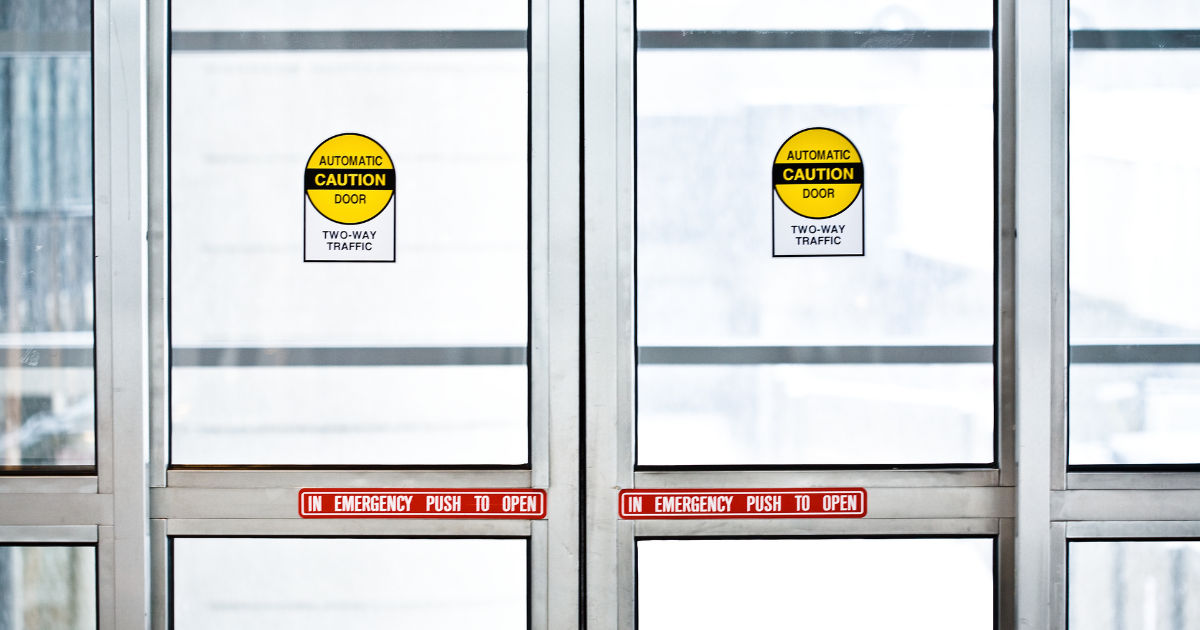
However, installing glass panels securely and seamlessly requires specialized hardware. One of the most essential components for this is glass connectors.
In this guide, we will explore what glass connectors are, why they are important, the different types, installation techniques, benefits, maintenance, and practical applications, with insights from akbari glass
What Are Glass Connectors?
Glass connectors are hardware components designed to join glass panels together or attach them to walls, ceilings, or other structures. They allow panels to be connected securely without the need for frames or bulky supports. Glass connectors are usually made of high-quality materials such as stainless steel, brass, aluminum, or durable plastic to ensure stability, durability, and aesthetic appeal.
These connectors serve both functional and aesthetic purposes. They provide structural support to glass panels while maintaining a sleek, modern look. Without glass connectors, large glass installations would require heavy framing or be difficult to stabilize safely.
Why Glass Connectors Are Essential
Glass panels are fragile and can easily break or shift if not properly supported. Glass connectors provide the following essential functions:
-
Structural Stability: They hold glass panels in place, preventing movement and reducing the risk of damage.
-
Load Distribution: Connectors distribute weight evenly across panels, ensuring the structure remains safe and durable.
-
Seamless Design: Many connectors are designed to be minimally visible, preserving the clean, frameless appearance of glass installations.
-
Flexibility: Connectors allow designers to create custom configurations, such as angled or curved panels, without compromising stability.
In modern interior design, aesthetics are just as important as functionality. Glass connectors help achieve that balance by providing a secure connection while maintaining a minimalist look.
Types of Glass Connectors
There are several types of glass connectors, each suited for specific applications. Understanding the differences can help you choose the right type for your project.
1. Patch Fittings
Patch fittings are commonly used for frameless glass doors. They are usually installed at the corners or edges of the glass panel. Patch fittings provide support while allowing for smooth movement in doors, partitions, and enclosures.
Advantages:
-
Sleek, minimalistic design
-
Supports heavy glass panels
-
Suitable for high-traffic areas
2. Spider Fittings
Spider fittings are distinctive due to their multi-arm design, which resembles a spider. They are typically used in glass facades and can support multiple panels at once.
Advantages:
-
Can connect 2 to 4 panels at different angles
-
Ideal for large exterior or interior glass walls
-
Offers a modern architectural aesthetic
3. Glass-to-Glass Connectors
These connectors join two glass panels directly, often at 90° or 135° angles. They are used in partitions, shower enclosures, and display cases.
Advantages:
-
Provides a frameless, seamless look
-
Strong and durable
-
Can be adjusted to different angles
4. Floor and Wall Mount Connectors
These connectors attach glass panels to floors or walls. They are commonly used for railings, balcony enclosures, and glass partitions.
Advantages:
-
Provides strong support for vertical panels
-
Maintains a clean, professional appearance
-
Easy to install and maintain
5. Clamp Fittings
Clamp fittings are simple connectors that hold panels in place without drilling holes. They are widely used for temporary setups or areas requiring flexibility.
Advantages:
-
Easy to adjust or remove
-
Minimalistic design
-
Suitable for lightweight glass panels
Materials Used in Glass Connectors
The material of a glass connector affects its strength, durability, and appearance. The most common materials include:
-
Stainless Steel: Highly durable, corrosion-resistant, and ideal for both indoor and outdoor use.
-
Brass: Offers a warm metallic look and good corrosion resistance.
-
Aluminum: Lightweight, strong, and often anodized for color options.
-
Plastic/Polycarbonate: Usually used for lightweight panels or temporary installations.
High-quality materials ensure the longevity of glass panels while complementing the overall design.
How Glass Connectors Work
Glass connectors work by securing the edges or surfaces of glass panels without compromising the integrity of the glass. They rely on mechanical pressure, screws, or clamps to hold panels in place.
For instance, a clamp fitting applies gentle pressure along the edge of a panel, preventing movement. Patch fittings are fixed to the corners of a panel, transferring the load to the surrounding structure. Spider fittings distribute weight across multiple arms, allowing large glass surfaces to remain stable.
The design of connectors also reduces stress on the glass, which is crucial for safety. Properly installed connectors prevent cracks, chips, or panel misalignment.
Applications of Glass Connectors
Glass connectors are versatile and used in various settings, including:
1. Office Spaces
-
Partitions: Create private offices without obstructing light
-
Doors: Frameless glass doors with patch fittings
-
Conference Rooms: Large glass walls for a modern, open feel
2. Residential Spaces
-
Shower Enclosures: Frameless showers with clean aesthetics
-
Balconies and Railings: Safety without sacrificing views
-
Room Dividers: Elegant separation of living spaces
3. Commercial Buildings
-
Retail Stores: Glass display cases or storefronts
-
Hotels: Modern interiors with glass walls
-
Restaurants: Stylish partitions and open spaces
4. Architectural Projects
-
Glass Facades: Large exterior panels connected by spider fittings
-
Atriums and Lobbies: Multi-panel glass installations for aesthetic impact
-
Exhibition Spaces: Flexible glass layouts for displays
Installation Process of Glass Connectors
Installing glass connectors requires precision, proper tools, and knowledge of glass handling. Here’s a general step-by-step process:
-
Measure and Mark: Accurate measurements ensure panels fit perfectly.
-
Choose the Right Connector: Select the type and material based on the application.
-
Prepare the Glass Panel: Clean and mark attachment points.
-
Attach Connectors: Secure connectors to the panel using screws, clamps, or adhesives as required.
-
Install Panels: Carefully position the panel in place, ensuring alignment with adjacent panels or structures.
-
Secure and Adjust: Tighten screws or clamps, check for stability, and adjust angles if necessary.
-
Final Inspection: Ensure all connectors are secure and panels are aligned.
Professional installation is recommended for large glass panels or complex configurations to prevent accidents and ensure longevity.
Safety Considerations
Safety is a critical concern when working with glass panels. Glass connectors play a vital role, but additional precautions are necessary:
-
Use Tempered or Laminated Glass: Reduces risk of injury if the glass breaks
-
Follow Load Limits: Avoid overloading connectors with heavier panels than they are rated for
-
Check Alignment Regularly: Misaligned panels can stress connectors and glass
-
Wear Safety Gear: Gloves, goggles, and protective clothing during installation
By following safety protocols, you can prevent accidents and maintain a secure installation.
Maintenance of Glass Connectors
Regular maintenance ensures the longevity of both connectors and panels:
-
Cleaning: Wipe connectors with a damp cloth to prevent dust and grime buildup
-
Check Tightness: Periodically tighten screws and clamps to maintain stability
-
Inspect for Corrosion: Especially for outdoor installations, inspect connectors for rust or damage
-
Replace Damaged Connectors: Immediately replace any worn or compromised hardware
Proper maintenance not only enhances aesthetics but also ensures safety.
Advantages of Using Glass Connectors
Using glass connectors offers numerous advantages:
-
Aesthetic Appeal: Frameless, modern look that enhances the visual appeal of any space
-
Flexibility: Supports various designs, angles, and configurations
-
Durability: High-quality connectors increase the lifespan of glass installations
-
Safety: Reduces the risk of panel movement or breakage
-
Ease of Installation: Many connectors allow for faster and cleaner installation compared to traditional framing
Common Mistakes to Avoid
When using glass connectors, it’s important to avoid common mistakes:
-
Using the Wrong Connector Type: Each connector type has specific uses; the wrong type can compromise stability
-
Overtightening: Excessive force can crack glass or damage the connector
-
Ignoring Load Limits: Connectors have weight ratings that must be adhered to
-
Poor Alignment: Misaligned panels cause stress points and reduce aesthetic quality
Avoiding these mistakes ensures safe, durable, and visually appealing installations.
Choosing the Right Glass Connectors
When selecting glass connectors, consider:
-
Type of Glass: Thickness, weight, and panel size
-
Location: Indoor or outdoor, high-traffic or low-traffic area
-
Design Requirements: Frameless look, angled panels, or specific aesthetics
-
Durability Needs: Material resistance to corrosion, impact, or wear
Consulting with professionals or referring to manufacturer guidelines can help make the right choice.
Future Trends in Glass Connectors
The demand for modern, frameless glass installations continues to grow. Future trends include:
-
Smart Glass Integration: Connectors designed for panels with built-in electronics
-
Minimalistic Designs: Smaller, more discreet connectors for seamless aesthetics
-
Sustainable Materials: Eco-friendly metals and plastics for construction
-
Customization: Tailored connectors for unique architectural projects
As glass architecture evolves, connectors will play an even more critical role in both design and function.
Conclusion
Glass connectors are indispensable components in modern glass architecture and interior design. They provide structural stability, safety, and aesthetic elegance to glass panels, enabling frameless installations that enhance light, space, and visual appeal. From patch fittings to spider connectors, choosing the right type, material, and installation method ensures durability and functionality. Regular maintenance, adherence to safety standards, and correct installation techniques further guarantee that glass panels remain secure and visually stunning.
Whether for residential showers, office partitions, or commercial glass facades, glass connectors bridge the gap between engineering precision and architectural beauty. As glass continues to define modern spaces, the role of connectors becomes even more vital in creating secure, functional, and elegant designs.
By understanding the types, uses, installation techniques, and maintenance of glass connectors, homeowners, designers, and builders can make informed decisions that combine safety with aesthetics, ensuring that glass installations remain both practical and visually impressive for years to come