
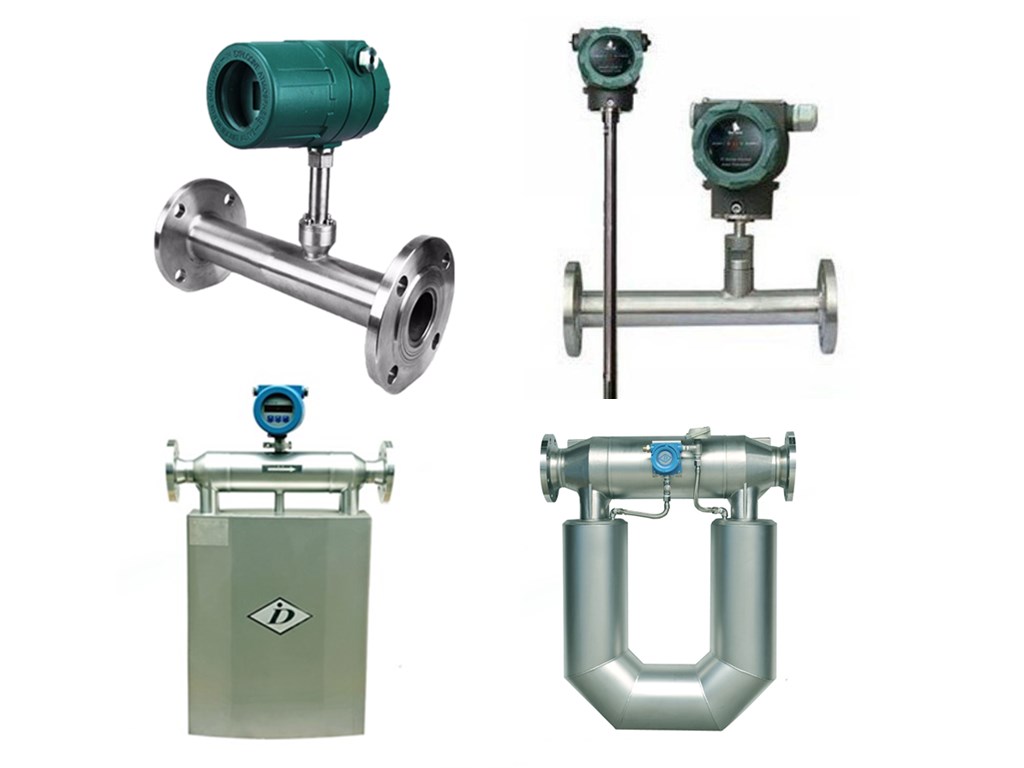
One of the most important specifications is the industrial pressure transmitter range. Will you need to measure vacuum pressure, gauge pressure, or absolute pressure? What is the maximum pressure value you need to monitor – 10 PSI or 100 PSI? Proper sizing ensures accurate readings within the expected pressure parameters. Material selection is also critical, especially in corrosive environments. Stainless steel, Hastelloy and Titanium withstand harsh chemicals better than other materials like aluminum.
Digital outputs like Profibus, Modbus, Ethernet/IP and FOUNDATION Fieldbus enable integration into distributed control systems with robust digital communications. However, they require external power and associated wiring complexity versus inherent 2-wire loop power. Hybrid models offer both analog current and digital outputs simultaneously to blend simplicity with smart functionality.
Radar level transmitters offer a reliable and non-contact method for measuring the level of liquids and solids in tanks and silos. Utilizing frequency modulated continuous wave radar operating within the 76-81 GHz frequency range, these instruments are capable of accurately detecting the level of materials from a safe distance, eliminating the need to make contact with the material surface.
To validate the design and performance of the brake system, sensors that are installed in the brake lines monitor the pressures that occur during braking. It is necessary to have response times that are less than one millisecond.
Typical sensor installations position miniature models within accessible ports on pump housings or compressor section walls. Some integrate directly into unit test benches for long-term condition monitoring. Process variability necessitates wide measuring ranges from vacuum to over 100 MPa as well as compatibility with media like oil, water, air, and nitrogen.
Dynamic pressure sensors are a helpful tool for evaluating hydraulic pressure, and they are developed during the process of developing both automatic and manual transmissions. During the course of the development process, this evaluation may be carried out. Specifically, ultra high temperature pressure sensor is because they are utilized in the process of testing transmissions, which is the reason for this.