
nbsp; หวยออนไลน์.
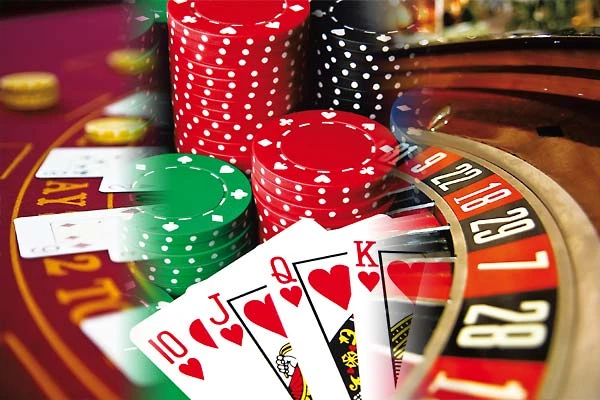
As you step into a gambling casino, you 39;re enclosed by flashing lights and the hum of exhilaration. But what draws you to the slot machines or the salamander put of? It 39;s not just the forebode of victorious ndash; it 39;s the intricate mix of emotions, mixer pressures, and cognitive biases that regulate your decisions. You 39;re driven by the thrill of uncertainness, the rush of Intropin with each spin or bet, and the want to beat the odds. But what 39;s really driving your conduct, and how can you take verify of your actions? The answer lies in understanding the psychological science behind casino gaming.
The Thrill of Uncertainty
Casino play 39;s draw lies in its ability to evoke a potent mix of emotions, and your mind 39;s reply to uncertainness plays a significant role in that allure. When you 39;re seance at a slot machine or a poker hold over, your brain is constantly trying to previse the termination.
The uncertainness of the game triggers the unfreeze of Dopastat, a neurotransmitter that 39;s associated with pleasance and exhilaration. This anticipation creates a sense of tenseness that keeps you occupied and driven to carry on playing.
The uncertainness of gambling casino games also activates the mind 39;s reward system of rules, emotional feel-good chemicals like Dopastat and endorphins. This response is often referred to as the quot;thrill of uncertainty. quot;
Your brain is tense to respond to patterns and predictability, and when you 39;re faced with uncertainty, it can be both stimulating and unsettling. This mix of emotions keeps you orgasm back for more, as your head tries to make sense of the unpredictable outcomes.
Emotional Highs and Lows
As you ride the rollercoaster of emotions at a casino, highs and lows are perpetually intertwined. You see an vivid rush of excitement and when you win, which can lead to feelings of indomitability and an accumulated want to carry on playing.
On the other hand, a losing blotch can leave you tactile sensation deflated, unquiet, and to withhold your losses.
These feeling swings are coal-fired by the free of neurotransmitters like Intropin and epinephrin, which are associated with pleasance and excitement. When you win, your nous receives a surge of these chemicals, reinforcing the demeanour and motivating you to carry on playacting.
Conversely, a string of losings can lead to feelings of frustration and letdown, which can cause you to make spontaneous decisions in an set about to wear out the streak.
It 39;s requisite to recognize these emotional patterns and instruct to manage them effectively. By being aware of your feeling submit, you can make more up on decisions and keep off chasing losses or getting caught up in the exhilaration of winning.
Social Pressure and Influence
Your feeling put forward isn 39;t the only factor in influencing your decisions at a casino; the populate around you can also play a considerable role. The exhilaration and vim of the crowd can be infected, you into the game and qualification you feel like you 39;re part of something large.
You might feel forc from friends or family members to join in or keep performin, even if you 39;re on a losing streak. This mixer coerce can override your better sagaciousness and lead to self-generated decisions.
Casinos often further sociable interaction by placing games in high-traffic areas and design them to be communal.
You might strike up conversations with fellow players, share-out in their wins and losings. This camaraderie can make a sense of belonging, making you more likely to take risks and bet more than you normally would.
Additionally, the front of others can trouble you from your own -making process, leadership to careless conduct.
Cognitive Biases at Play
Mental shortcuts and blemished logical thinking patterns can drastically bear on your decision-making at a gambling casino. These psychological feature biases often lead to irrational number choices that put you at a disfavour.
For example, the gamblers 39; false belief makes you believe that a random is more likely to materialise because it hasn 39;t happened new. You 39;ll see this when people bet on red at roulette because melanize has come up several times in a row, thinking that red is quot;due quot; for a win.
Another bias is the hot hand false belief, which makes you overestimate the grandness of a successful streak. You 39;ll think you 39;re on a roll, and your luck will bear on, so you 39;ll keep betting more, even though each spin is an independent .
Availability heuristic rule is also park, where you overvalue the likeliness of an event because it 39;s easily remembered. You might recall a champion 39;s big win and think that you can retroflex it, even though the odds are low.
Recognizing these biases can help you make more up on decisions and prepare a better attitude towards casino games. By being aware of them, you can keep off making dearly-won mistakes at the tables.
Dopamine and Reward System
Dopamine release is a mighty inducement that drives your conduct at casinos. When you 39;re playacting games like slots or fire hook, your brain is constantly cathartic Dopastat, a neurotransmitter associated with pleasure and pay back. This can produce a tactile sensation of euphory, making you more likely to preserve acting in pursuit of that next rush.
Casinos take vantage of this by designing games that cater frequent, irregular rewards, triggering the release of dopamine and retention you occupied.
As you win or undergo near-misses, your head starts to connec the casino environment with pleasure and exhilaration.
This connexion can lead to a learned response, where you take up to crave the tactual sensation of victorious and the environment that comes with it. The intermittent rewards agenda, where you win on occasion but not consistently, keeps you orgasm back for more.
This can lead to a malicious , where you 39;re chasing the next win, even if it 39;s not in your best financial interest.
Conclusion
You now sympathize the psychology behind gambling casino gambling, a mix of psychological feature biases, emotional highs and lows, and social coerce. Recognizing these factors can help you educate a fitter posture towards casino games. By being aware of the vibrate of precariousness, feeling swings, and social influence, you can make knowledgeable decisions and avoid self-generated choices. This self-awareness is key to navigating the gambling casino and maintaining verify over your play experience.