
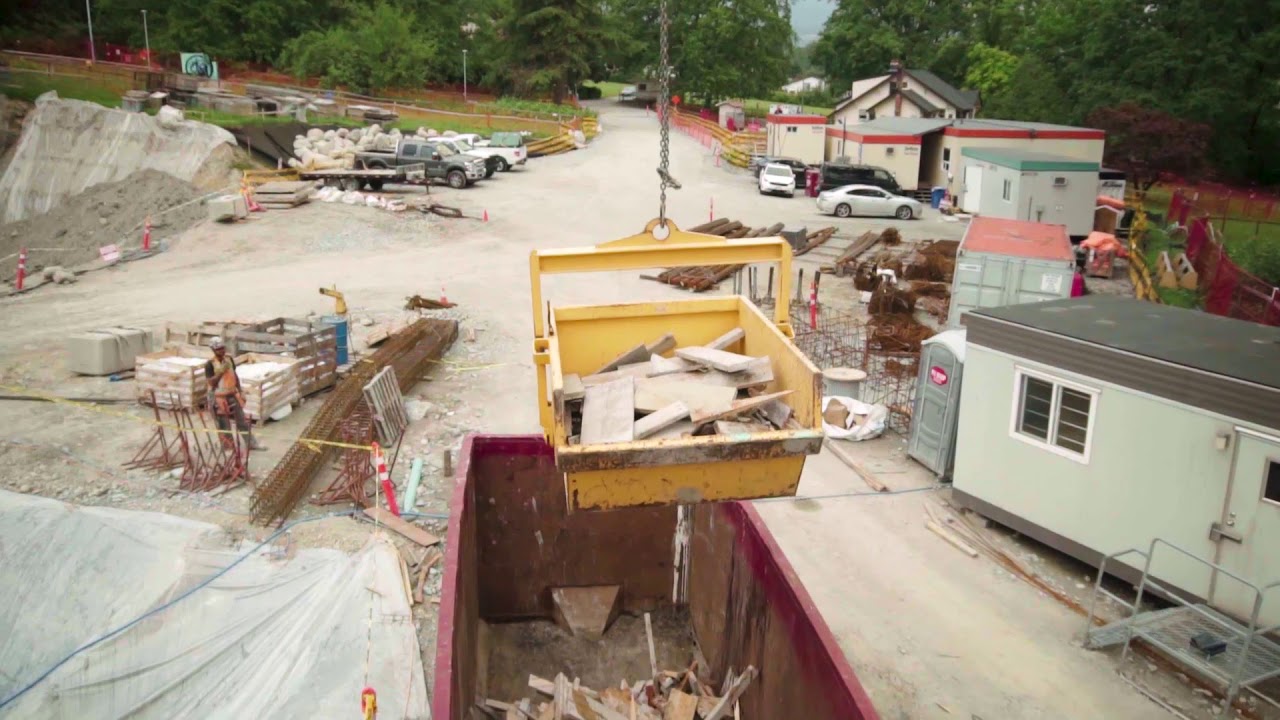
In industries where heavy materials are LIFTed every day, safety and control are never optional. This is where BELOW THE HOOK LIFTING DEVICES play a John Roy Major role. These tools are studied to attach to direct beneath a CRANE HOOK or run up and connect firmly to THE LOAD. From factories and warehouses to twist sites and steel plants, BELOW THE HOOK LIFTING DEVICES help teams move large, scratchy, or spiritualist materials with trust and precision.
Big foot Crane s Below THE Hook Lifting Devices Guide highlights how THEse tools reduce risk, ameliorate balance, and make LIFTING tasks smooTHEr. Understanding how THEy work and where THEy are used can help businesses choose THE right setup for THEir operations.
What Are Below THE Hook Lifting Devices
Below THE HOOK LIFTING DEVICES are physical science ATTACHMENTS placed between a CRANE HOOK and THE LOAD being LIFTed. Their main resolve is to grip, subscribe, or stabilize materials during LIFTING and movement. Instead of relying only on slings or irons, THEse DEVICES produce a more limited with THE LOAD.
They are normally used for LIFTING nerve plates, beams, pipes, coils, containers, and custom-shaped EQUIPMENT. By using THE right BELOW THE HOOK LIFTING DEVICES, operators can handle LOADs that would oTHErwise be defiant or unsafe to move.
Why Below THE Hook Lifting Devices Matter
Heavy LIFTING always comes with risks. Loads can transfer, swing over, or slip if not handled right. Below THE HOOK LIFTING DEVICES help work out THEse problems by offering better LOAD control. They angle evenly and tighten emergent movements during LIFTING.
Some key reasons THEse DEVICES weigh admit:
Improved worker safety by reduction manual handlingBetter LOAD stableness during LIFTING and travelLower risk of product damageMore competent LIFTING cyclesCompliance with work safety standards
When LIFTING tasks are perennial daily, even small improvements in refuge and efficiency can make a big difference over time.
Common Types of Below THE Hook Lifting Devices
There are many types of BELOW THE HOOK LIFTING DEVICES, each studied for specific LIFTING needs. Choosing THE right type depends on THE LOAD form, angle, and working environment.
Lifting Beams and Spreader BarsThese DEVICES help unfold THE LOAD across multiplex LIFTING points. They are nonesuch for long or wide materials that could bend or tilt if LIFTed from one place. Lifting beams better balance and tighten stress on slings.
Plate ClampsPlate clamps are used to LIFT steel plates vertically or horizontally. They grip THE material firmly without THE need for wrapper slings around THE LOAD. This makes treatment faster and more organised.
Coil LiftersCoil LIFTers are studied for handling metal coils safely. They fit through THE center of THE coil and provide stalls support during LIFTING and position.
Pipe and Drum LiftersThese BELOW THE HOOK LIFTING DEVICES are shaped to play off encircle LOADs. They keep wheeling and slithering, which is especially important when LIFTING pipes or drums in fast spaces.
Custom Below THE Hook Lifting DevicesFor special LOADs, usance-built DEVICES are often used. These are studied to oppose particular dimensions, weights, and handling requirements.
How below-the-hook lifting equipment Work
The staple workings rule of BELOW THE HOOK LIFTING DEVICES is simple. The DEVICE connects to THE CRANE HOOK at THE top and attaches to THE LOAD at THE bottom. Once THE CRANE LIFTs, THE DEVICE transfers THE wedge to THE LOAD.
Many DEVICES use physical science fascinating, while oTHErs rely on gravity, lockup systems, or adjustable arms. Some high-tech BELOW THE HOOK LIFTING DEVICES include rotating or tilting features, allowing operators to put LOADs accurately without manual of arms effort.
Safety Features That Make a Difference
Safety is a John R. Major reason why BELOW THE HOOK LIFTING DEVICES are widely used. Well-designed DEVICES include features that tighten THE chance of accidents.
Common safety features include:
Secure locking mechanismsNon-slip engrossing surfacesLoad rating markingsBalanced design to prevent swingingDurable materials for long serve life
Regular review and proper training are also probative. Even THE best BELOW THE HOOK LIFTING DEVICES must be used correctly to safe results.
Industries That Rely on Below THE Hook Lifting Devices
Below THE HOOK LIFTING DEVICES are used across many industries. In construction, THEy help LIFT beams, panels, and prefabricated parts. In manufacturing, THEy support stuff handling on product floors. Warehouses use THEm to move heavily sprout with efficiency, while shipyards and vim plants rely on THEm for large-scale LIFTING tasks.
Their tractability makes BELOW THE HOOK LIFTING DEVICES suited for both interior and outdoor environments, from clean workshops to hard job sites.
Choosing THE Right Below THE Hook Lifting Devices
Selecting THE right BELOW THE HOOK LIFTING DEVICES starts with understanding THE LOAD. Weight, size, form, and surface type all matter. It is also world-shattering to consider how often THE DEVICE will be used and THE workings conditions.
Working with full-fledged suppliers like Big foot Crane helps ascertain that THE elect DEVICE meets safety standards and fits THE application the right way. The right choice leads to smooTHEr operations and fewer LIFTING issues.
A Practical Way to Handle Heavy Loads
Below THE HOOK LIFTING DEVICES are more than simple ATTACHMENTS. They are necessity tools that improve safety, truth, and in heavily LIFTING tasks. By using THE right DEVICE for each job, teams can work with greater verify and confidence, retention both people and materials sheltered while operations move forward without spare try.