
Understanding thermal paper is essential in a world where receipts, tickets, shipping labels, and medical printouts appear everywhere.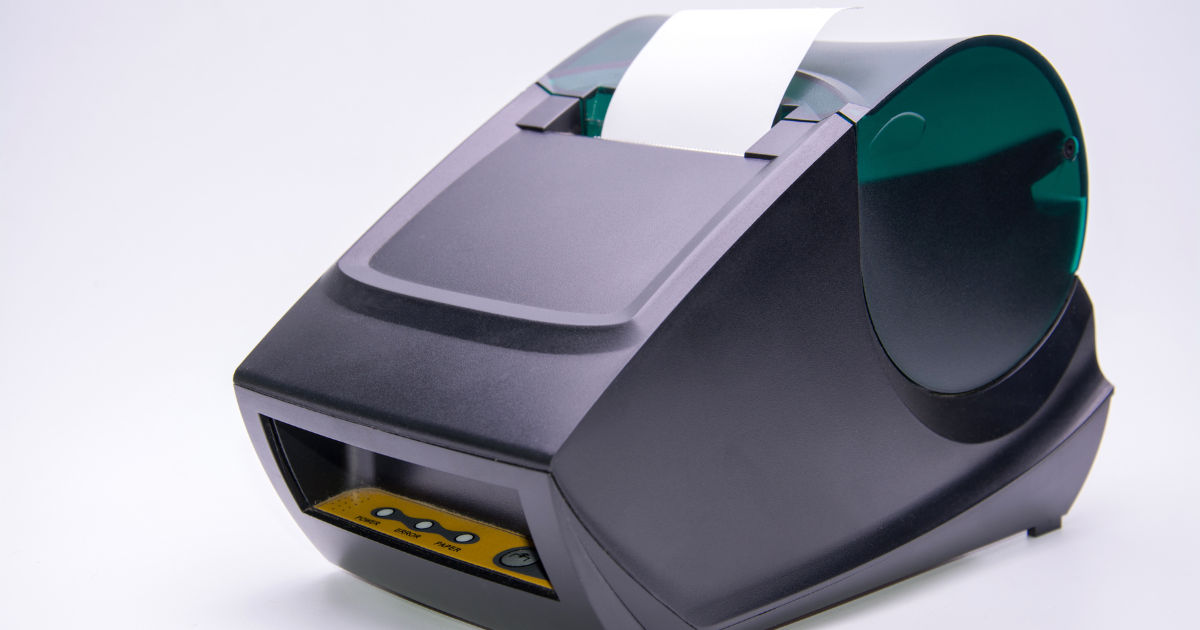
Most people interact with thermal paper every day without realizing what makes it unique or how it works. Yet this specialized material powers countless industries, from retail and transportation to healthcare and logistics.
This comprehensive guide explains what thermal paper is, how it works, why businesses depend on it, and what consumers should know about its use.
You will learn about its layers, coatings, chemical reactions, storage needs, environmental considerations, and key benefits.
By the end, you will fully understand why thermal paper remains one of the most important printing materials in modern commerce.
Thermal Paper
The Basic Definition
At its simplest, thermal paper is a specially coated paper that produces images when exposed to heat. It does not require ink, toner, or ribbons. Instead, it contains chemicals that react and darken when heated by a thermal printhead. Because of this, thermal paper enables fast, clean, and efficient printing.
You see thermal paper in cash register receipts, shipping labels, event tickets, and many handheld devices. Its convenience has made it a global standard.
Why Thermal Paper Is Different
Ordinary paper absorbs ink or toner. Thermal paper, however, creates the print within its coating. This coating reacts to controlled heat, forming letters, numbers, barcodes, graphics, and all other printed elements instantly.
This difference makes thermal paper ideal for high-speed, low-maintenance, and high-volume printing environments.
Layers of Thermal Paper
Base Paper Layer
The foundation of thermal paper is a traditional paper sheet. This layer provides structure and strength. It must be smooth and durable to ensure even heat transfer and clear printing.
Precoat Layer
Under the active coating, thermal paper contains a precoat layer. This layer smooths the surface, enhances print quality, and helps bind the chemicals evenly. It ensures the heat reacts consistently across the entire surface.
Thermal Coating Layer
This is the most important layer in thermal paper. It contains multiple chemical components:
-
Leuco dyes – colorless chemicals that turn dark when heated
-
Developers – substances that trigger color change
-
Sensitizers – compounds that enhance the reaction
-
Stabilizers – added to extend print life
When a thermal printhead heats tiny dots on the surface, the dyes and developers in thermal paper react and form the printed image.
Topcoat Layer (Optional)
Premium thermal paper includes a protective topcoat. This helps resist heat, water, oils, moisture, and friction. It also prevents fading and improves longevity, which is crucial for archived receipts or long-term labels.
How Thermal Printing Works
Step 1: Heat Activation
Inside a thermal printer, a printhead contains thousands of tiny heating elements. When electricity passes through these elements, they heat specific points on the thermal paper.
Step 2: Chemical Reaction
The heat causes the dyes and developers in the thermal paper to melt together, producing a black image. This reaction is instant, making thermal printing exceptionally fast.
Step 3: Image Formation
As the thermal paper cools, the printed image becomes stable. The sharpness of the final print depends on the quality of the thermal paper, the accuracy of the printhead, and environmental factors such as humidity or exposure to sunlight.
Types of Thermal Paper
Direct Thermal Paper
This is the most common form of thermal paper. It reacts directly to heat without requiring additional materials. While convenient, it is more sensitive to heat and light. It is ideal for receipts, tickets, and labels that do not require long-term storage.
Top-Coated Thermal Paper
Top-coated thermal paper includes an additional protective layer. This helps the printed information last longer and resist chemicals, oils, and physical abrasion. It is widely used in logistics, warehousing, medical environments, and outdoor settings.
Synthetic Thermal Paper
Made from plastic-based materials, synthetic thermal paper resists water, tearing, extreme temperatures, and harsh chemicals. It is used for wristbands, outdoor tags, and industrial applications.
Advantages of Thermal Paper
No Ink or Toner Needed
One of the biggest advantages of thermal paper is that it eliminates the need for ink cartridges or toner. This reduces costs, maintenance, and downtime.
Speed and Efficiency
Thermal printers can produce receipts or labels in milliseconds. Because thermal paper reacts instantly to heat, the printing process is smooth and seamless.
High Print Accuracy
Thermal technology produces crisp images and sharp barcodes. With high-quality thermal paper, the results are reliable and scannable, which is essential for logistics and retail operations.
Cost-Effective
Thermal printers generally cost less to operate. Since thermal paper requires no ink and printers have few moving parts, maintenance costs remain low.
Quiet and Clean Printing
Thermal printers are nearly silent and do not release ink particles. Combined with clean, dry printing from thermal paper, workplaces stay dust-free and organized.
Limitations of Thermal Paper
Sensitivity to Heat
Because it reacts to heat, thermal paper can darken when exposed to high temperatures. This may cause stored receipts to fade or become unreadable.
Exposure to Light and Chemicals
Certain chemicals, such as oils or alcohol, can affect the print. Long exposure to sunlight can also degrade the image on thermal paper.
Limited Long-Term Archiving
Standard thermal paper may not last decades. For archival records, alternatives like durable coated thermal stock or digital records may be needed.
Uses of Thermal Paper Across Industries
Retail
Cash registers, POS terminals, and receipt printers all rely heavily on thermal paper. Retailers choose it for reliability, speed, and cost savings.
Hospitality
Restaurants, coffee shops, and hotels use thermal paper for receipts, order tickets, and kitchen printers. The clarity ensures that staff can read orders quickly.
Transportation
Bus tickets, parking tickets, toll receipts, and boarding passes use thermal paper because of its fast printing capability.
Healthcare
Medical devices such as ECG machines and portable diagnostic printers rely on thermal paper for printing results quickly and accurately.
Logistics and Shipping
Warehouses and shipping centers use thermal paper for barcode labels, tracking stickers, and packing slips. Its clarity ensures accurate scanning throughout the supply chain.
Banking
ATMs use thermal paper to print transaction records because it is dependable and low-maintenance.
Choosing the Right Thermal Paper
Consider Print Durability
For everyday receipts, standard thermal paper is sufficient. For long-term labels or outdoor use, choose top-coated or synthetic thermal varieties.
Printhead Compatibility
Different thermal printers require different thermal paper widths, thicknesses, and coatings. Always follow manufacturer guidelines.
Environmental Exposure
If the printed material will be exposed to oil, heat, moisture, or sunlight, select a thermal paper with protective coatings.
Image Clarity
High-quality thermal paper produces sharper text and cleaner barcodes. For industries requiring accurate scanning, this is essential.
How to Store Thermal Paper Properly
Avoid Heat and Sunlight
Store rolls of thermal paper in cool, dry places. High temperatures can darken the coating even before use.
Keep Away from Chemicals
Oils, detergents, and alcohol can damage the coating on thermal paper.
Use Airtight or Light-Blocking Containers
For long-term storage, keep thermal paper in sealed packaging to prevent exposure to humidity or UV light.
First-In, First-Out Method
Rotate your stock so older thermal paper rolls are used first. This ensures freshness and consistent quality.
Environmental Considerations
Recycling Challenges
Traditional thermal paper coatings may affect recyclability. Modern manufacturers now offer BPA-free and recyclable thermal options.
BPA-Free Thermal Paper
BPA-free thermal paper uses safer developers, making it better for both consumers and the environment.
Eco-Friendly Alternatives
Some companies produce sustainable thermal paper made with alternative developers, biodegradable coatings, or energy-efficient manufacturing.
How to Identify High-Quality Thermal Paper
Smooth and Even Surface
Good thermal paper should feel smooth. Uneven surfaces can cause poor print quality.
Dark and Consistent Print
The printed image should appear clear and uniform. Weak or patchy printing indicates low-quality thermal paper.
Clean Edges
Premium thermal paper is cut cleanly, reducing dust and preventing printer jams.
Resistance to Smearing
High-quality thermal paper should not smear when rubbed lightly after printing.
Common Myths About Thermal Paper
“It Always Fades Quickly”
While some prints may fade, high-quality thermal paper with proper storage can last years.
“Thermal Paper Is Bad for the Environment”
Modern BPA-free and recyclable thermal paper options significantly reduce environmental impact.
“All Thermal Papers Are the Same”
Different coatings, thicknesses, and protective layers create significant differences in performance.
How Thermal Paper Is Manufactured
Step 1: Base Paper Production
Manufacturers create strong, smooth paper sheets.
Step 2: Coating Application
Chemicals are precisely applied to form the thermal coating layer. This step defines the performance of the thermal paper.
Step 3: Drying and Curing
The coated sheets pass through controlled drying systems to stabilize the chemicals.
Step 4: Cutting and Rolling
Finally, the finished thermal paper is cut into rolls or sheets to meet specific industry requirements.
Future Trends in Thermal Paper
More Eco-Friendly Coatings
The future of thermal paper includes environmentally responsible coatings that avoid harmful chemicals.
Enhanced Durability
Companies are developing thermal paper with longer lifespan, scratch resistance, and improved archival properties.
Integration With Smart Technologies
New thermal paper types can include watermarking, security features, or RFID compatibility for enhanced tracking.
Conclusion
Thermal paper is a quiet but essential part of modern life. Its unique ability to produce images with heat alone makes it reliable, fast, and cost-effective. Whether you notice it or not, thermal paper powers receipts, labels, tickets, medical reports, and countless other daily needs.
Understanding how thermal paper works reveals why so many industries depend on it. Its special coatings, layers, and chemical reactions offer clear advantages in speed and simplicity. Yet it also requires proper storage and responsible use to ensure longevity and safety.
As technology advances, thermal paper continues to evolve, becoming more durable, environmentally friendly, and adaptable. Its convenience and efficiency ensure it will remain a vital printing material for years to come.
This guide has explored every aspect of thermal paper, from manufacturing to storage to real-world applications. With this knowledge, you can make better decisions about which types to use, how to maintain print quality, and how to extend the lifespan of your printed materials.