
In today’s fast-evolving world of mapping, surveying, and geospatial technology, understanding GPS and GIS is no longer optional—it’s essential. For aspiring professionals, enrolling in a Surveyor Course in Rawalpindi can be the gateway to mastering these cutting-edge tools.
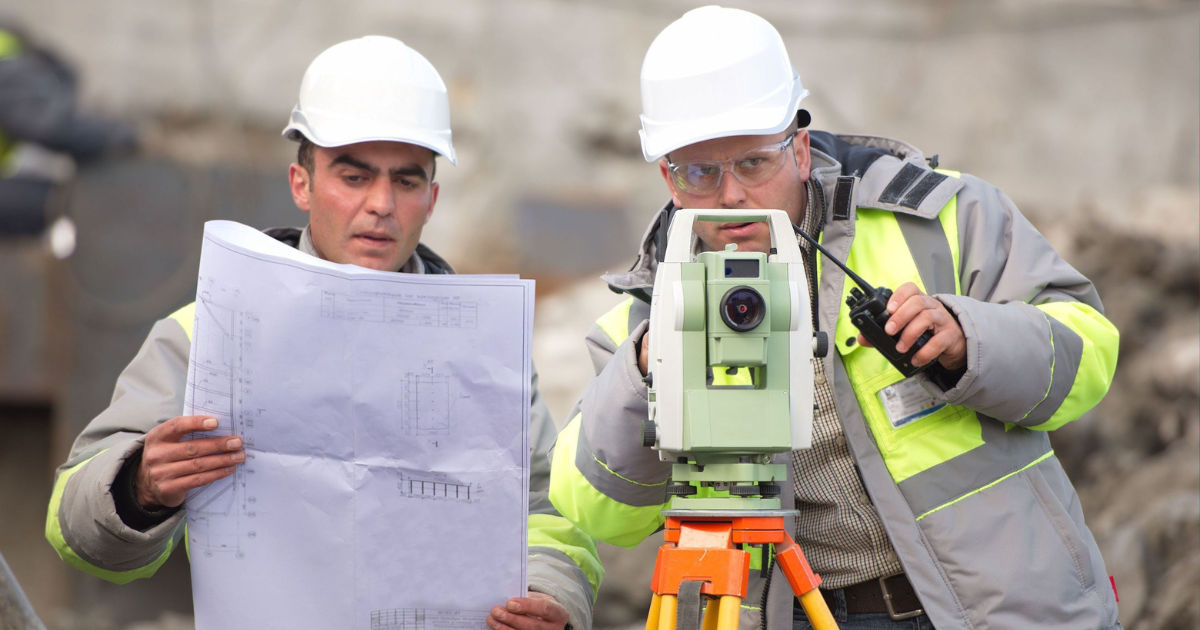
These courses not only offer foundational knowledge but also practical skills that are directly applicable in real-world surveying and mapping projects. From urban planning to land management, the demand for skilled surveyors with GPS and GIS expertise is rapidly growing, making this training a valuable investment in your career.
Whether you are a student preparing for a career in surveying or a professional looking to enhance your skills, advanced Islamabad surveyor courses provide a structured approach to learning. This comprehensive guide will take you through everything you need to know about GPS and GIS training, course structure, benefits, career prospects, and tips to get the most out of your education.
Understanding GPS and GIS
Before diving into training options, it’s crucial to understand what GPS and GIS actually mean.
What is GPS?
GPS stands for Global Positioning System. It is a satellite-based navigation system that allows users to determine their precise location anywhere on Earth. Modern GPS technology is widely used in surveying to measure distances, create maps, and determine geographic coordinates with high accuracy.
Key benefits of GPS in surveying include:
-
Accurate location data collection
-
Efficient land measurement
-
Real-time tracking and mapping
-
Integration with GIS software
What is GIS?
GIS stands for Geographic Information System. Unlike GPS, which provides location data, GIS is a platform for storing, analyzing, and visualizing spatial data. Surveyors use GIS to manage large amounts of geographic information, detect patterns, and support decision-making.
Key applications of GIS include:
-
Urban and regional planning
-
Environmental monitoring
-
Infrastructure development
-
Disaster management
Understanding these concepts is the first step to excelling in any Surveyor Course in Rawalpindi.
Why GPS & GIS Training is Important
Advanced GPS and GIS training equips professionals with technical skills that go beyond basic surveying. Here’s why it is crucial:
-
Accuracy in Surveying: Manual surveying techniques are prone to errors. GPS and GIS technologies drastically reduce inaccuracies.
-
Efficiency: With digital tools, surveyors can complete projects faster and with less manpower.
-
Data Management: GIS allows surveyors to store and analyze spatial data efficiently, which is invaluable for planning and decision-making.
-
Career Advancement: Employers increasingly prefer professionals trained in GPS and GIS technologies. Completing a Surveyor Course in Rawalpindi can significantly improve your employability.
Course Structure of Advanced Islamabad Surveyor Courses
Advanced surveyor courses in Islamabad are designed to provide both theoretical knowledge and practical experience. Typically, these courses cover the following modules:
1. Introduction to Surveying
Students start with the basics of surveying, including:
-
History and principles of surveying
-
Types of surveys (land, topographic, hydrographic)
-
Introduction to modern surveying tools
This foundation is essential before moving on to advanced GPS and GIS techniques.
2. GPS Technology Training
This module focuses on:
-
Fundamentals of GPS technology
-
Satellite systems and positioning
-
Differential GPS and its applications in high-precision surveys
-
Hands-on training with GPS receivers
By the end of this module, students can accurately collect spatial data using GPS devices.
3. GIS Mapping and Analysis
Students learn how to work with GIS software to:
-
Create and manage spatial databases
-
Visualize geographic data using maps and layers
-
Perform spatial analysis for urban planning, agriculture, and environmental studies
-
Generate reports and maps for professional use
This module combines technical skills with analytical thinking.
4. Advanced Surveying Techniques
Surveyors are trained in modern techniques such as:
-
Total station surveying
-
Digital leveling
-
Remote sensing integration with GIS
-
3D mapping and modeling
These skills ensure students can handle complex surveying projects efficiently.
5. Practical Field Training
Fieldwork is a crucial component of any Surveyor Course in Rawalpindi. Students get hands-on experience in:
-
Using GPS devices in real-world scenarios
-
Collecting and processing survey data
-
Applying GIS analysis to field data
-
Conducting land and topographic surveys
Practical training bridges the gap between classroom knowledge and professional work.
Benefits of Taking a GPS & GIS Surveyor Course
Investing in an advanced surveyor course comes with numerous benefits:
-
Enhanced Technical Skills: Learn to use state-of-the-art surveying tools.
-
Career Opportunities: Surveyors with GPS and GIS expertise are in high demand in construction, urban planning, environmental agencies, and government departments.
-
Hands-On Experience: Field training ensures that students can apply theory in practical situations.
-
Professional Certification: Completing a recognized course boosts your credibility and marketability.
-
Networking Opportunities: Connect with professionals and peers in the geospatial field, opening doors to future collaborations.
Career Opportunities After GPS & GIS Training
Completing a Surveyor Course in Rawalpindi opens up various career paths. Some prominent options include:
1. Land Surveyor
Land surveyors measure and map properties, ensuring legal boundaries are correctly documented. GPS and GIS skills allow for accurate and efficient surveys.
2. GIS Analyst
A GIS analyst works with spatial data to create maps, analyze trends, and provide insights for urban planning, environmental studies, or transportation planning.
3. Urban Planner
Urban planners use GIS data to design city layouts, plan infrastructure, and ensure sustainable development.
4. Environmental Consultant
Surveyors trained in GIS can analyze environmental impacts, monitor natural resources, and assist in disaster management.
5. Remote Sensing Specialist
These professionals use satellite imagery and GIS to monitor land use, forestry, agriculture, and climate change.
With specialized training, you can also explore international opportunities in organizations that rely heavily on GIS and GPS data.
How to Choose the Right Surveyor Course in Rawalpindi
Selecting the right course is crucial to ensure maximum benefit from your training. Here are some factors to consider:
Accreditation and Recognition
Ensure that the course is accredited by a recognized institution or government body. This ensures that your certification holds value in the job market.
Curriculum and Modules
Check if the course covers both GPS and GIS training, along with practical fieldwork. A comprehensive curriculum ensures you gain well-rounded knowledge.
Experienced Faculty
Learning from qualified instructors with real-world experience enhances your understanding and skill development.
Practical Exposure
Courses offering fieldwork and hands-on projects are more valuable than purely theoretical programs.
Career Support
Some institutions provide career guidance, internship opportunities, or job placement assistance, which can be crucial for starting your career.
Tips to Succeed in GPS & GIS Training
-
Practice Regularly: Working with GPS devices and GIS software outside of class strengthens your skills.
-
Participate in Fieldwork: Field experience is irreplaceable; it helps you understand real-world challenges.
-
Engage in Projects: Try to complete small mapping or analysis projects to apply your knowledge practically.
-
Stay Updated: GPS and GIS technologies evolve rapidly, so staying current with the latest tools and software is essential.
-
Network: Connect with peers, instructors, and professionals to learn tips, gain mentorship, and explore job opportunities.
Common Challenges in GPS & GIS Training
While training programs are highly beneficial, some challenges may arise:
1. Technical Complexity
GPS and GIS software can be complex for beginners. However, with regular practice and guidance, these skills can be mastered.
2. Data Accuracy
Collecting accurate GPS data requires attention to detail, patience, and understanding of the tools.
3. Field Limitations
Weather conditions, terrain, and satellite visibility can impact GPS measurements during field surveys.
4. Software Costs
High-quality GIS software can be expensive, though many training programs provide access to educational licenses.
Being aware of these challenges allows students to prepare and overcome them effectively.
Future of Surveying with GPS & GIS
The field of surveying is evolving rapidly with technological advancements. Some trends to watch include:
1. Integration with Drones
Drones equipped with GPS and GIS sensors can capture high-resolution aerial imagery, making surveys faster and more precise.
2. 3D Mapping
Advanced software now allows surveyors to create 3D maps for construction, urban planning, and environmental studies.
3. Real-Time Data Analysis
Real-time GPS data integrated with GIS software allows for instant analysis and better decision-making.
4. Smart City Planning
Urban planners increasingly rely on GIS for developing smart cities, optimizing infrastructure, and managing resources efficiently.
5. Mobile GIS
Mobile applications allow surveyors to collect, process, and analyze spatial data directly in the field, enhancing productivity.
Conclusion
Advanced GPS and GIS training through a Surveyor Course in Rawalpindi is a crucial step for anyone aspiring to excel in the surveying and geospatial field. These courses provide a solid foundation, practical experience, and industry-recognized certification that opens doors to diverse career opportunities.
By understanding the core principles of GPS and GIS, engaging in hands-on training, and keeping up with technological advancements, surveyors can significantly improve their efficiency, accuracy, and professional prospects. Whether your goal is to work in urban planning, environmental consulting, or remote sensing, investing in a quality surveyor course ensures that you are well-prepared for the challenges and opportunities of the modern geospatial industry.
For students and professionals in Islamabad and Rawalpindi, enrolling in an advanced surveyor course is not just an educational choice—it’s a career-defining decision.
Embrace the technology, practice diligently, and leverage every opportunity to gain real-world experience. With the right training, the path to becoming a skilled GPS and GIS surveyor is well within your reach.