
If you are planning to buy an eames office chair, comfort should be your top priority. An office chair isn’t just a piece of furniture; it’s a critical tool that affects your posture, productivity, and overall well-being. With hours spent sitting at a desk, a poorly chosen chair can lead to back pain, stiffness, and fatigue.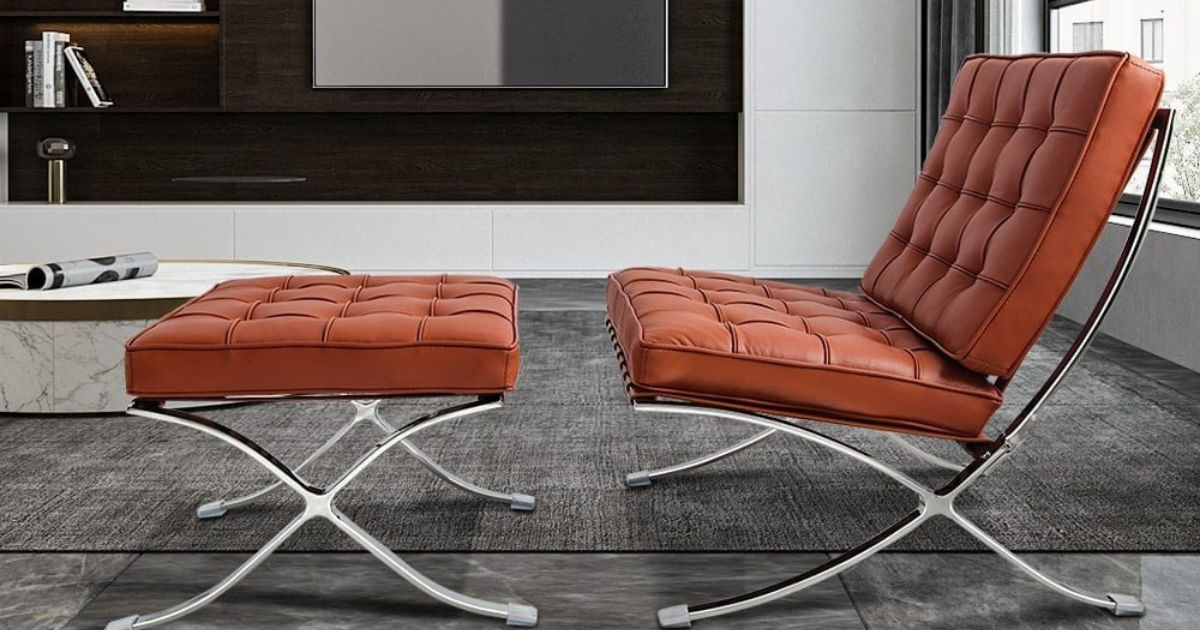
On the other hand, the right eames office chair provides ergonomic support, enhances focus, and ensures you enjoy every workday.
Before making your purchase, you need to consider a detailed checklist that evaluates comfort, functionality, and design. This guide will provide you with everything you need to know to make a well-informed decision.
Understanding the Eames Office Chair
The eames office chair is a timeless classic. Known for its mid-century modern design, it combines style, durability, and ergonomic function. The chair is not only aesthetically pleasing but also engineered to support your spine and promote good posture. Eames chairs come in different models, materials, and finishes, which can affect both comfort and price.
Before buying, it’s crucial to understand the anatomy of the chair. Key features to consider include the seat cushion, lumbar support, armrests, tilt mechanism, and material quality. Each of these elements contributes to overall comfort and can determine how long you can sit without discomfort.
Seat Comfort
One of the most important aspects of comfort is the seat itself. When evaluating a eames office chair, check the following:
-
Cushioning: The padding should be firm enough to support your weight but soft enough to prevent pressure points. A seat that is too hard can cause discomfort in your thighs and lower back.
-
Seat depth: Your thighs should be fully supported without cutting off circulation at the knees. The ideal depth allows you to sit back fully against the backrest.
-
Width: Make sure the seat is wide enough to allow you to shift position but not so wide that you feel unsupported.
Testing the seat in person is the best way to judge comfort. Sit for a few minutes and notice if your weight is evenly distributed and whether you feel any strain.
Lumbar Support
Proper lumbar support is essential in preventing lower back pain. The eames office chair typically features a contoured backrest that supports the natural curve of the spine. When checking for lumbar comfort, consider:
-
Adjustability: Some chairs allow you to adjust the height and depth of the lumbar support. This ensures your lower back is fully supported regardless of your height.
-
Firmness: The support should be firm enough to maintain posture but not hard enough to cause discomfort.
-
Placement: Ensure the lumbar support aligns with your natural lower back curve. Incorrect alignment can increase stress on your spine.
A chair with proper lumbar support will allow you to sit longer without experiencing fatigue, which is vital if you spend many hours working at your desk.
Backrest Angle and Recline
A eames office chair should allow for reclining to reduce strain on the lower back and promote relaxation. Key considerations include:
-
Adjustable Recline: Look for a chair that offers multiple recline positions so you can change angles during the day.
-
Tilt Tension Control: This feature allows you to adjust the resistance when leaning back. It ensures the chair supports your weight without feeling too stiff or too loose.
-
Locking Mechanism: Being able to lock the chair in a slightly reclined position can relieve pressure on the spine during long work sessions.
Reclining is not just for comfort—it also helps reduce fatigue and improves circulation in your legs.
Armrest Comfort
Armrests play a significant role in reducing shoulder and neck strain. For a eames office chair, consider the following:
-
Height Adjustability: Your elbows should rest comfortably at a 90-degree angle while typing. Adjustable armrests ensure correct alignment.
-
Width and Padding: They should be wide enough for comfort and padded for soft support.
-
Movement: Some armrests can swivel or move in multiple directions, providing flexibility for different tasks.
Comfortable armrests prevent tension in your shoulders, which is especially important if you type or use a mouse extensively.
Material and Breathability
The material of the eames office chair directly affects comfort. Popular options include leather, mesh, and fabric. Consider these factors:
-
Breathability: Mesh is highly breathable and keeps you cool during long sitting hours. Leather looks premium but can feel hot in warm climates. Fabric is soft and comfortable but may require more cleaning.
-
Durability: Choose a material that can withstand daily use without sagging or tearing.
-
Maintenance: Easy-to-clean materials save time and ensure your chair stays hygienic.
Selecting the right material ensures long-term comfort and reduces discomfort caused by sweat or temperature changes.
Adjustability and Customization
A comfortable eames office chair should offer multiple adjustments to fit your body. Key customizable features include:
-
Seat Height: Your feet should rest flat on the floor with knees at a 90-degree angle. Adjustable height is essential for proper posture.
-
Seat Depth and Tilt: Some models allow sliding the seat forward or backward to support your thighs better.
-
Backrest Height: Adjustable backrest height ensures full spinal support.
Chairs with more adjustability often provide better ergonomic comfort, especially if multiple people use the same chair.
Mobility and Stability
Mobility is another factor influencing comfort. A eames office chair often comes with casters for easy movement. Check the following:
-
Wheel Quality: Smooth-rolling wheels prevent jerky movements that can strain your back.
-
Swivel Function: A chair that swivels 360 degrees allows you to reach items around your workspace without twisting your spine.
-
Base Stability: A sturdy base prevents tipping and ensures a secure sitting experience.
Mobility features reduce stress on your body and make your workspace more efficient.
Weight Capacity
Comfort also depends on how well the chair supports your weight. Eames chairs have varying weight capacities, and exceeding this limit can reduce comfort and safety. Always check the manufacturer’s recommended weight limit to ensure:
-
Proper Support: The chair maintains its shape and provides stable seating.
-
Durability: Avoids premature wear or damage to the frame and cushioning.
A chair that supports your weight comfortably ensures better posture and reduces the risk of long-term discomfort.
Design and Aesthetic Considerations
While comfort is paramount, the visual appeal of a eames office chair also contributes to satisfaction. A chair that blends with your office décor can create a pleasant and motivating environment. Consider:
-
Style: Eames chairs are available in modern, classic, and minimalist designs. Choose one that complements your workspace.
-
Color Options: Color can influence mood and productivity. Neutral colors suit professional settings, while bold colors can energize your space.
-
Finish Quality: High-quality finishes feel smoother to the touch and add to overall comfort.
A visually appealing chair can enhance your mental comfort and create a positive workspace ambiance.
Warranty and After-Sales Support
Comfort isn’t only about physical support—it also includes peace of mind. A good eames office chair often comes with a warranty that covers defects and wear. Consider:
-
Warranty Length: Longer warranties indicate manufacturer confidence in durability.
-
Coverage: Ensure critical components like the seat cushion, tilt mechanism, and armrests are included.
-
Customer Support: Easy access to support helps quickly resolve issues, maintaining comfort and satisfaction.
A reliable warranty and responsive support ensure your investment in comfort lasts for years.
Tips for Testing a Chair Before Purchase
Before committing to a eames office chair, testing it in person is crucial. Keep these tips in mind:
-
Sit for at least 10 minutes: Short tests can be misleading. Longer sitting times reveal pressure points and discomfort.
-
Check multiple adjustments: Adjust height, tilt, and armrests to ensure the chair suits your body.
-
Simulate work tasks: Type on a keyboard, move around, or reach for items to test real-world comfort.
-
Listen to your body: Pay attention to your back, legs, and shoulders. Discomfort now can indicate long-term issues.
Testing ensures you make a confident choice and prevents regret later.
Conclusion
Buying a eames office chair is an investment in your comfort, health, and productivity. By following this comprehensive checklist, you can evaluate every critical aspect—from seat cushioning and lumbar support to adjustability, materials, and design. Prioritize ergonomic features and test the chair personally whenever possible.
Remember, the perfect chair is not just stylish—it supports your posture, reduces fatigue, and allows you to focus on your work without discomfort. Choosing wisely today can prevent years of back pain and enhance your overall work experience.
With this guide, you now have all the tools to make an informed, confident decision when purchasing your eames office chair.