
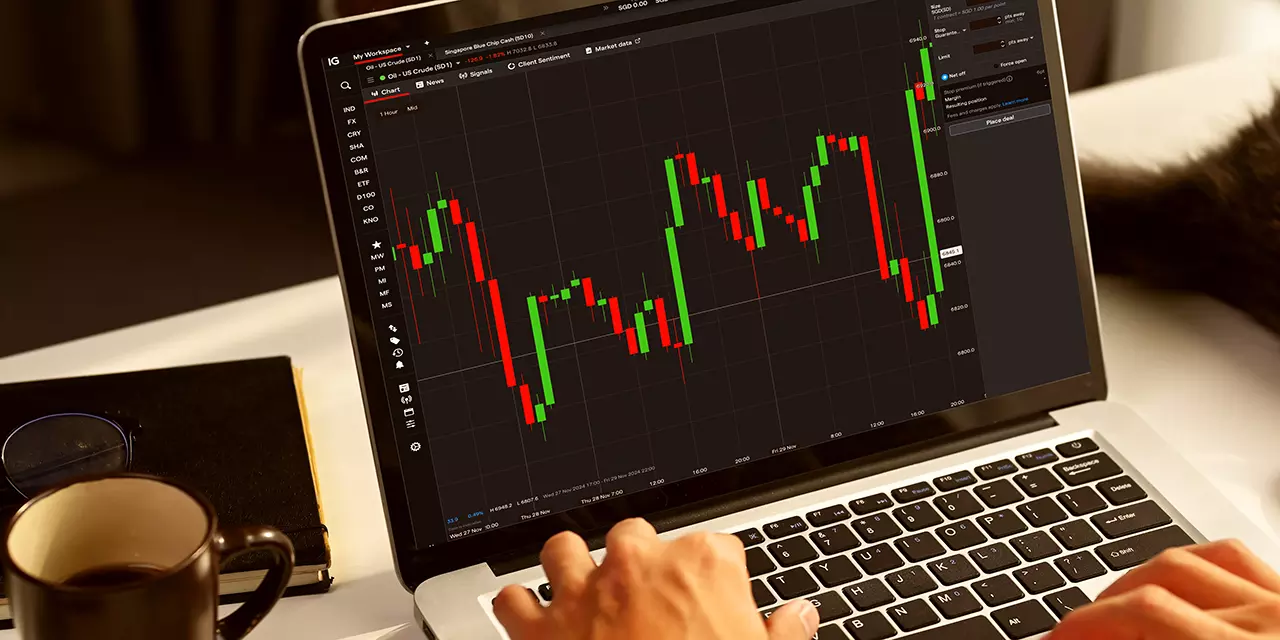
One question usually comes up when trading futures, whether one is doing it alone or through a prop firm: are free futures trading platforms truly worth it?
It's a legitimate query. Consider this: a free option may be too alluring in a time when premium trading platforms can cost anything from $50 to $200 a month (not including data feeds). The catch is that trading "free" is more difficult than it first appears. And the stakes are higher for prop traders. Making the correct platform choice could make the difference between your ability to manage risk, pass an exam, or increase your capital.
Let's now discuss the advantages of these free futures trading platforms, their drawbacks, and how prop firm traders should think about them.
The Allure of Free in Futures Trading
Who doesn't enjoy free stuff? We are surrounded by free trials, free indicators, and free Discord groups. Platforms for trading are no exception. Free versions of their products are often offered by providers in the hopes that you will eventually switch to a paid plan.
These free futures platforms appear alluring at first since they allow you to:
- Dip your toes into futures trading without a big upfront cost.
- Backtest strategies and explore charts without worrying about monthly fees.
- Practice risk management prior to investing real capital.
That is a significant benefit for novices. Why spend money on a platform you might not use, especially if you're still learning about order types, chart tools, or risk indicators?
The appeal is considerably stronger for prop traders. Although they don't cover subscription costs, the majority of futures prop firms let you use your own platform. Therefore, it may seem obvious to save more than $100 a month by going free.
There is a catch, though, just like with anything in trading.
What Do You Actually Get with Free Futures Platforms?
All free platforms are not equal. Some offer you a bare-bones version of their paid service, while others are demos with significant limitations. This is what you're usually going to get:
Basic Charting Only
Most free platforms have basic charting tools—candles, bars, perhaps a few indicators. But if you want advanced functionality like footprint charts, order flow tools, or DOM (depth of market), expect to run into a paywall.
Delayed Data Feeds
A big one. Free often means delayed quotes. That’s fine if you’re just backtesting or paper trading, but in live markets, a 10-second delay can be the difference between catching a move and getting stopped out.
Limited Order Types
Some of the free platforms only allow you to enter a simple market or limit orders. That may be fine for a hobby trader, but if you are with a prop firm and need to actively manage risk, OCO (one-cancels-other) or bracket orders are rather vital.
No Integrations with Prop Firms
Here's where it gets complicated. Many Futures Prop Firms make you trade on certain platforms that they offer support for. And more often than not, the "best futures trading platform" that they advise you to use isn't free.
So yes, you'll have enough to try things out, but you'll probably outgrow those restrictions in no time if you're serious about trading.
Where Free Platforms Shine
Now, let's not be too critical. Free futures trading platforms do serve their purpose, particularly if you're a beginner. These are the situations where they truly excel:
- Paper Trading Practice: If you're new to the world of futures, practicing using a free platform for paper trading teaches you about market structure, backtesting entries/exits, and acclimating yourself to volatility without wasting money.
- Learning Platform Navigation: It's a good idea to practice the fundamentals on a free platform before spending money on a premium one. It's like doing a simulation practice session in a driving simulator before you take to the road.
- Testing a Prop Firm Challenge: When you're opening up a futures trial with a prop firm, you might want to first familiarize yourself with the regulations (daily loss limits, consistency requirements, etc.) on a free platform to develop discipline.
- Side Analysis Tool: A few traders also use free platforms as a second charting screen. Perhaps your primary platform does that execution business, but you prefer to have a free one for neat charts or certain indicators.
So, yes, there's value. But "value" in this case frequently equals "limited value."
The Downsides You Can't Ignore
Where we get to the fine print. The reason why so many traders abandon free platforms within a few months is that the negatives pile up too large to be ignored. Let's go through the key ones.
Data Accuracy
Prop trading is all about accuracy. If your platform is giving you delayed or truncated data, you're not trading the actual market—you're trading an imitation of it. That may be sufficient for recreational practice, but when a prop firm's assessment hangs in the balance, you require the genuine article.
Absence of Professional Features
Risk control is the ace of futures trading. The top platforms provide you with features such as trade journaling, risk dashboards, or more sophisticated order routing. Free platforms? Forget it. And if you're trading other people's money, being blind isn't an option.
Hidden Costs
Here's the surprise: even if the site is free, the data feed generally isn't. Market data (CME, E-mini, Nasdaq, crude oil, etc.) tends to run $5–$20/month per exchange. So, that "free" site winds up costing you anyway.
Restricted Support
If something happens to break on a free platform—good luck. With paid platforms, you generally have good customer service. With free ones, you're likely left digging through forums as the market passes you by.