
Introduction
Hazardous work environments such as chemical plants, oil refineries, mining sites, and confined industrial spaces present constant risks related to toxic and combustible gases. Workers in these areas are often exposed to invisible threats like carbon monoxide, hydrogen sulfide, methane, and other harmful gases that can cause serious health issues or even fatal accidents. The biggest challenge is that these gases are often odorless and undetectable without specialized equipment.
To address this critical safety concern, industries are increasingly adopting advanced detection technologies that provide real-time alerts and precise measurements. These systems are designed to identify gas leaks early, helping prevent accidents before they escalate into dangerous situations.
Accurate Gas Monitoring Solutions for Hazardous Work Environments play a vital role in ensuring workplace safety, regulatory compliance, and operational efficiency. These solutions help organizations protect their workforce while maintaining smooth and uninterrupted operations.
Importance of Gas Monitoring in Hazardous Areas
In high-risk environments, even a small gas leak can lead to devastating consequences, including explosions, poisoning, or long-term environmental damage. This makes continuous gas monitoring an essential safety requirement rather than an optional tool.
Without proper monitoring systems, companies may face:
- Increased risk of workplace accidents
- Severe health hazards for employees
- Legal penalties for safety violations
- Production downtime due to emergencies
- Environmental contamination issues
Implementing reliable gas detection systems significantly reduces these risks and ensures safer working conditions.
How Accurate Gas Monitoring Systems Work
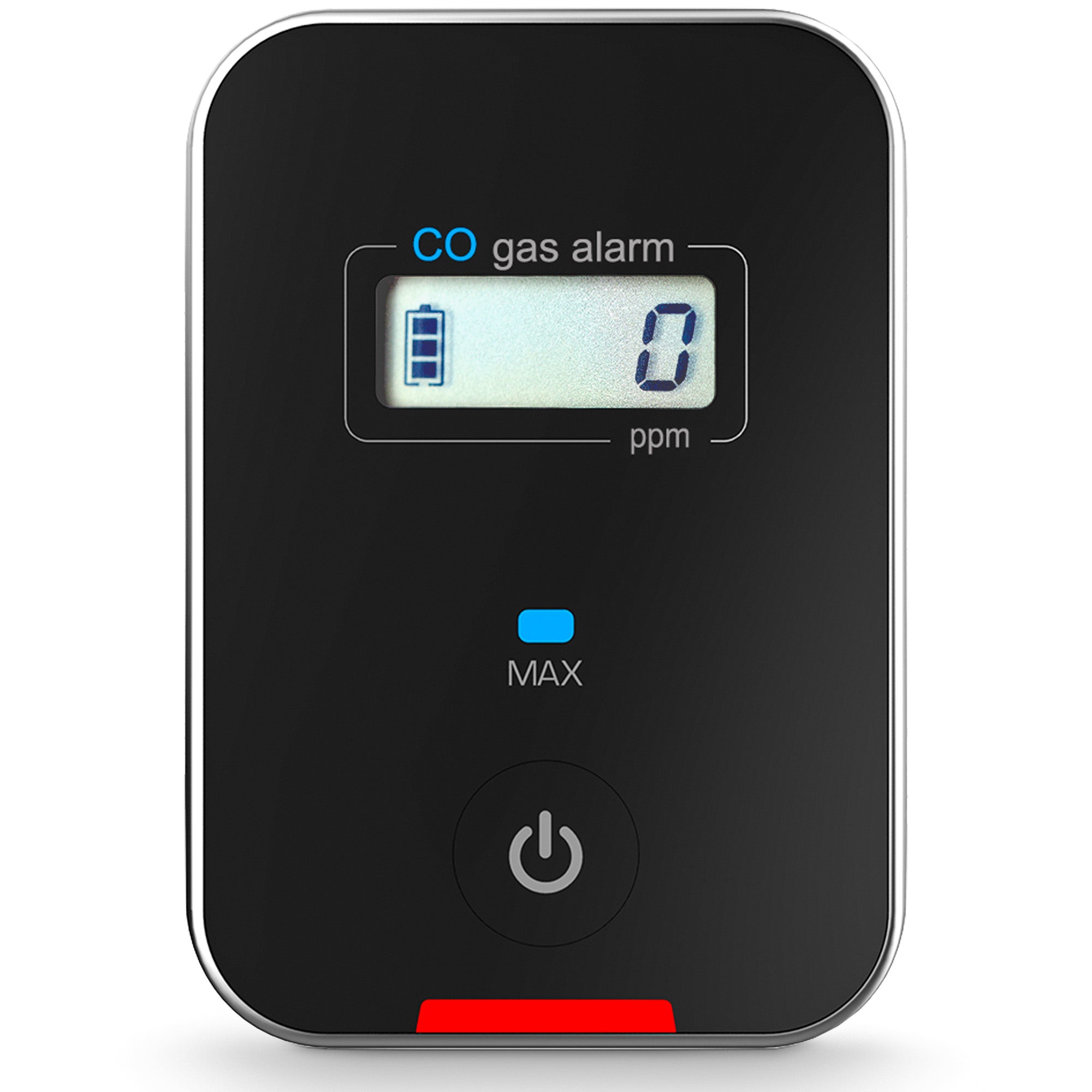
Modern gas monitoring systems use advanced sensor technology to detect the presence and concentration of hazardous gases in real time. These devices continuously analyze air quality and provide instant alerts when gas levels exceed safe thresholds.
Key Components of Gas Monitoring Systems:
- Electrochemical sensors for toxic gases
- Infrared sensors for combustible gases
- Catalytic bead sensors for explosion risk detection
- Wireless connectivity for remote monitoring
- Audible and visual alarm systems
These technologies work together to ensure fast and reliable detection, allowing workers to respond quickly to potential threats.
Applications in High-Risk Industries
Accurate gas monitoring solutions are widely used across industries where exposure to hazardous gases is a constant concern.
Common Applications Include:
- Oil and gas exploration and refining
- Chemical manufacturing plants
- Mining and underground operations
- Wastewater treatment facilities
- Confined space entry work
- Power generation plants
In each of these environments, continuous monitoring is essential to maintain safe air quality and prevent accidents.
Features of Advanced Gas Monitoring Solutions
Modern gas detection systems are designed to offer high performance, durability, and ease of use in challenging conditions.
Key Features:
- Real-time gas concentration tracking
- Multi-gas detection capability
- Portable and fixed installation options
- Automatic calibration and self-check functions
- Cloud-based data logging and alerts
- Long battery life for field use
These features ensure that safety teams can monitor hazardous areas efficiently and respond immediately to any risks.
Benefits of Using Accurate Gas Monitoring Systems
Investing in advanced gas monitoring technology provides numerous advantages for both workers and organizations.
Major Benefits Include:
- Enhanced worker safety and protection
- Early detection of gas leaks and hazards
- Compliance with safety regulations and standards
- Reduced risk of accidents and shutdowns
- Improved operational efficiency
- Real-time data for better decision-making
These benefits make gas monitoring systems an essential part of modern industrial safety management.
Choosing the Right Gas Monitoring Solution
Selecting the right system depends on the specific risks and requirements of the workplace. Not all environments require the same level of detection or sensor types.
Factors to Consider:
- Types of gases present in the environment
- Area size and ventilation conditions
- Fixed vs. portable monitoring needs
- Alarm response time and sensitivity level
- Maintenance and calibration requirements
Proper selection ensures maximum protection and long-term reliability.
Conclusion
Accurate Gas Monitoring Solutions for Hazardous Work Environments are essential for maintaining safety, preventing accidents, and ensuring regulatory compliance in high-risk industries. With advanced sensor technology and real-time monitoring capabilities, these systems provide reliable protection against invisible gas hazards. By implementing the right Abgasanalysegerät detection solution, organizations can safeguard their workforce, reduce operational risks, and create a safer working environment for everyone involved.