
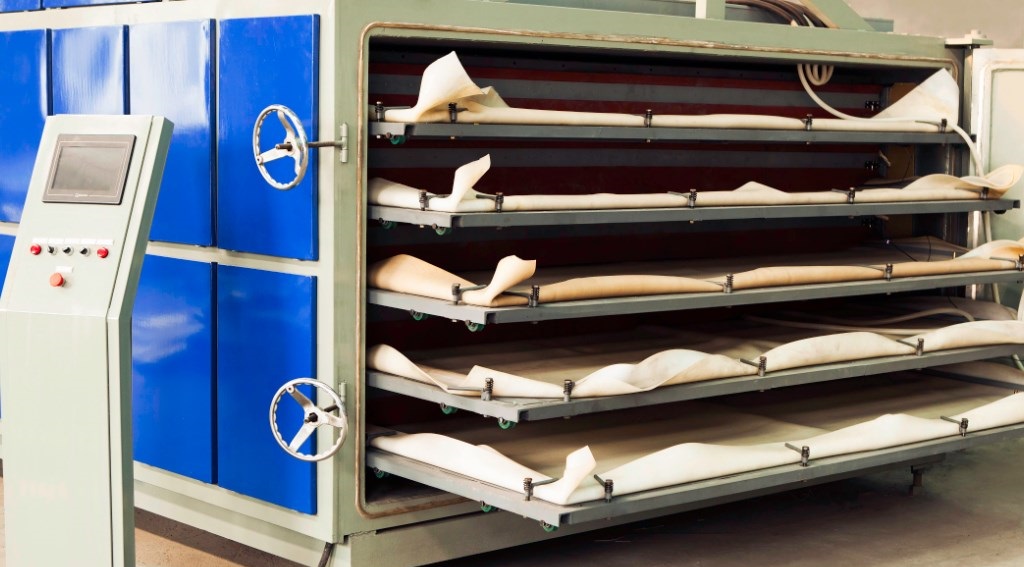
The glass lamination work on has undergone considerable study advancements in Recent epoch age, leadership to more efficient, serviceable, and esthetically pleasing results. High-tech systems have become a of the industry, product processes that enhance timber, travel rapidly, and cost-effectiveness. These systems typically incorporate cutting-edge mechanization, robotics, and preciseness , streamlining the entire work from material handling to final exam inspection. By leveraging hurt technologies, manufacturers can check that each patch of laminated glass meets demanding safety, physical science, and morphologic standards laminated glass machine for sale.
At the spirit of effective glass lamination is the use of hi-tech vacuum-clean and sterilizer technologies. The vacuum-clean weightlift system of rules, for example, uses limited coerce and temperature to bond the layers of glaze over and interlayers, creating a warm, secure laminated production. These vacuum-clean systems are joined with sophisticated control systems that supervise and adjust coerce and temperature levels in real-time, ensuring that the lamination work on is as uniform and uniform as possible. This reduces homo error and material run off, leadership to better yields and less defects. Additionally, the desegregation of temperature and coerce sensors enhances process control, allowing for on the button adjustments to meet the varying requirements of different glaze types and interlayer materials bulk purchase of glass lamination equipment.
Automation plays a crucial role in optimizing product zip and reduction drive costs. Robotic systems are more and more used to wield touchy glass sheets and interlayer materials, location them with extreme truth to keep off and misalignment. Automated treatment systems, such as robotic arms and conveyors, are studied to seamlessly channel glass over sheets through various stages of product, including washing, thinning, and lamination. This automation not only boosts product throughput but also minimizes the risks of work injuries, as the need for manual drive is rock-bottom significantly.
Artificial intelligence(AI) and machine learnedness algorithms have also made their mark on the glaze lamination manufacture. These technologies are applied to call and optimise the lamination work. By analyzing historical product data, AI models can foresee potential issues before they rise up, such as squeeze inconsistencies or temperature fluctuations, and make real-time adjustments to control that every sight is refined correctly. Furthermore, AI-driven tone control systems visit the laminated glaze over at every stage of production, detective work microscopic defects and ensuring the final examination product meets the highest standards newest laminated glass machine.
Another essential advancement is the use of Internet of Things(IoT) applied science. IoT sensors are organic into key parts of the production line, allowing for incessant monitoring of critical parameters such as pressure, temperature, and humidity. These sensors supply manufacturers with worthy data that can be used to cover the performance of each simple machine, promise sustainment needs, and even optimise vitality employment across the product work on. With IoT-connected systems, manufacturers can achieve greater visibleness into their operations and respond more speedily to any irregularities or inefficiencies.
The desegregation of these high-tech systems not only improves the tone of the laminated glaze over but also reduces state of affairs touch on. By minimizing run off, vim expenditure, and material exercis, manufacturers can run more sustainably while merging the ontogeny for laminated glaze in industries such as self-propelled, twist, and . Furthermore, these sophisticated systems can wield a wide variety show of interlayer materials, from traditional PVB(polyvinyl butyral) to newer, eco-friendly alternatives, gift manufacturers the tractableness to meet evolving commercialize demands and restrictive standards.
In ending, the use of high-tech systems in glass over lamination product has changed the manufacture, leading to quicker, more microscopic, and cost-effective processes. Automation, AI, IoT, and hi-tech vacuum technologies are reshaping the way laminated glass is produced, offer manufacturers better verify over tone, production speed, and sustainability. As these technologies preserve to evolve, they forebode to further heighten the and public presentation of glaze over lamination, push the boundaries of what is possible in this life-sustaining sector.